
Trézor Bridge® | Introducing the New Trezor® App
Understand Trezor Bridge and its connection features for Trezor hardware wallets, with useful guidance for installation, troubleshooting, application access, account management, and secure crypto usage.
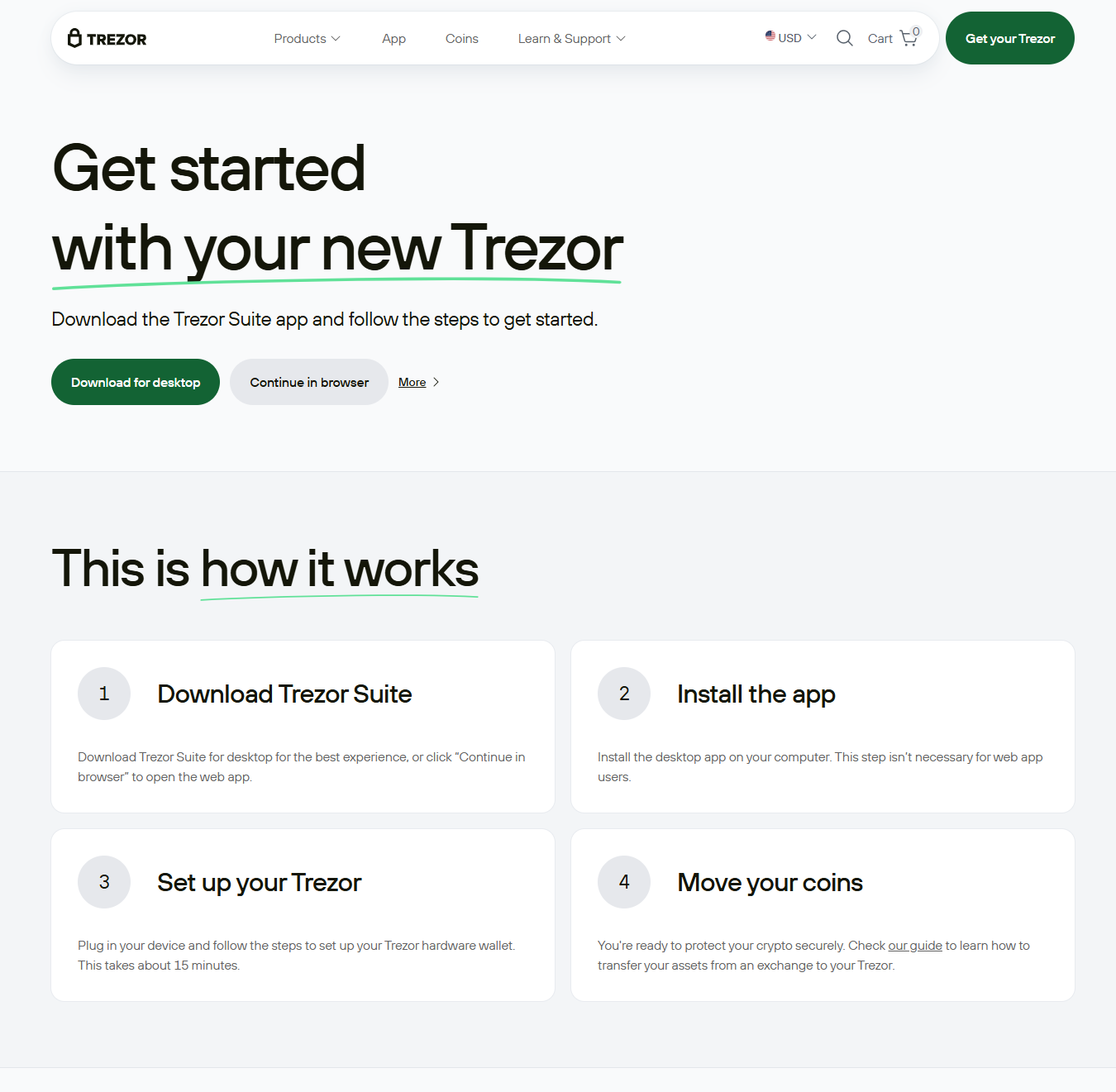
Trezor Bridge: A Practical Guide to Hardware Wallet Connectivity
Using a hardware wallet with a computer requires more than simply plugging in a physical device. The computer and wallet software need a way to communicate with the connected hardware. Trezor Bridge is designed to provide this communication layer for supported Trezor hardware wallet setups.
Understanding the purpose of Trezor Bridge can help beginners troubleshoot connection problems and better understand how their wallet works. It is not a replacement for a hardware wallet or a cryptocurrency application. Instead, it helps compatible software communicate with the Trezor device.
What Is Trezor Bridge?
Trezor Bridge is a software component that facilitates communication between a Trezor hardware wallet and compatible applications running on a computer.
When a Trezor device is connected, compatible software needs to recognize the hardware before users can access supported wallet functions. Trezor Bridge can help establish this connection in supported environments.
Because it operates primarily as a communication tool, users do not normally interact with it in the same way they interact with a wallet interface.
How Trezor Bridge Fits Into Your Wallet Setup
A typical hardware wallet setup includes several separate elements. There is the physical Trezor device, wallet software used to manage accounts, and communication components that allow the computer to interact with the device.
Trezor Bridge fits into this middle layer. It helps supported applications communicate with the connected hardware while the Trezor device remains responsible for important wallet security operations.
This separation makes it easier to understand why installing Bridge does not mean that cryptocurrency is being stored inside the Bridge application.
Getting Started With Trezor Bridge
Before installing wallet-related software, make sure you are working on a trusted computer. Use a reliable internet connection and avoid installing programs from unfamiliar websites.
Obtain Trezor Bridge through legitimate Trezor resources and follow the relevant installation instructions for your operating system.
Once installation is complete, connect the compatible hardware wallet and open the appropriate wallet software. The application should then be able to communicate with the device when the required components are functioning correctly.
Checking Whether Your Device Is Recognized
If your Trezor wallet is connected properly, compatible software should generally be able to identify the hardware device.
If the wallet is not detected, begin with simple checks. Confirm that the device is connected correctly and that the cable and computer port are functioning. You can also restart the relevant application and reconnect the device.
If the problem remains, verify that the required software components are installed correctly and consult trusted troubleshooting resources.
Avoid downloading unofficial programs simply because they claim to repair a wallet connection.
Trezor Bridge and Transaction Security
Trezor Bridge helps establish communication, but it does not eliminate the need for careful transaction verification.
Whenever you prepare a cryptocurrency transfer, review the destination address and transaction amount. Important details should also be checked directly on the hardware wallet before approval.
If the information displayed on the device differs from what you expected, do not confirm the transaction. Stop and investigate the issue first.
Protecting Your Recovery Information
A connection problem should never require you to reveal your recovery phrase.
Your recovery phrase is sensitive wallet information and should be kept private and offline. Do not enter it into websites, online forms, support chats, emails, or applications simply because someone claims it is needed to connect or repair your device.
Be especially cautious when an unfamiliar person contacts you about a Trezor problem and asks for recovery information. Genuine troubleshooting should not require you to disclose your complete recovery phrase.
Avoiding Fake Trezor Bridge Downloads
Search engines and online advertisements can sometimes lead users to fraudulent cryptocurrency websites. A fake download page may imitate the branding of a legitimate wallet service and offer software with a similar name.
Before downloading Trezor Bridge, carefully verify the source. Do not trust a page solely because it contains familiar logos or wallet terminology.
Avoid installation files provided through unsolicited emails, social media messages, pop-ups, or unknown third-party websites.
Common Connection Issues
Several factors can interfere with communication between a hardware wallet and computer.
An unsuitable cable, an inactive device, outdated software, operating-system permissions, or another application interfering with the connection can all cause problems.
Work through troubleshooting steps methodically rather than making multiple changes at once. Disconnecting and reconnecting the device, restarting the software, and checking the physical connection are sensible initial steps.
For more complex problems, use trusted documentation instead of following instructions from anonymous sources.
Keep Your Wallet Software Maintained
Maintaining the software used with your hardware wallet can help reduce compatibility problems. When legitimate updates are available, review the update information and install them through trusted channels.
Do not use modified versions of wallet software or download supposed updates from random websites.
It is also useful to keep your computer's operating system and security software reasonably up to date. A secure wallet environment involves more than the hardware device alone.
Building Safer Wallet Habits
Good security practices should become part of your normal cryptocurrency routine. Always verify where software comes from, keep recovery information private, and check transaction details before approving them.
Do not allow urgent messages or alarming warnings to pressure you into making quick decisions. Scammers often use urgency to encourage users to reveal sensitive information.
When something seems unusual, stop and independently verify the situation before continuing.
Final Thoughts
Trezor Bridge serves as an important communication component for supported Trezor hardware wallet setups. By helping compatible applications communicate with the physical device, it can make desktop wallet management more convenient while allowing the hardware wallet to remain central to important security operations.
For a dependable experience, install software only from trusted sources, maintain your wallet environment, verify transactions carefully, and protect your recovery phrase at all times. Understanding how Trezor Bridge works can make both setup and everyday hardware wallet management easier to navigate.
Updated about 8 hours ago